Technical SEO
Crawlability, indexing, architecture, internal links, canonical and language signals, performance, structured data, and technical issues that affect discovery.
Search & Growth
Visibility alone is not growth. We connect search, content, measurement, conversion, and acquisition so the business can see where attention comes from, what people do next, and what is worth improving.

Emargy approach
Strategy · Craft · Measurable delivery
Discover
Understand where useful demand begins.
Act
Connect the page to the next decision.
Learn
Measure each source on its own terms.
Scope of work
A ranking, impression, click, AI citation, ad visit, or content view only matters in context. We look at how people discover the business, what they need to understand, where they land, and whether the next action is clear.
Crawlability, indexing, architecture, internal links, canonical and language signals, performance, structured data, and technical issues that affect discovery.
Pages and articles planned around real questions, commercial intent, expertise, and gaps in the existing site—not content produced to increase page count.
Apply strong search fundamentals, clear entities, useful original information, structured content, supporting data, and machine-readable signals across modern search experiences.
Measure discovery, landing pages, queries, engagement, important actions, and technical search signals with tools appropriate to the project.
Improve pages, offers, forms, calls to action, and journeys that connect visibility to a meaningful business action.
Use paid search or social acquisition when it can answer a growth question, reach a useful audience, validate an offer, or scale what already works.
Turn expertise, products, projects, and customer questions into useful material for search, sales, social distribution, and future discovery.
SEO & generative search
People now discover businesses through traditional results, AI-assisted answers, shopping experiences, maps, images, video, and other search surfaces. That expands the places where useful information can appear, but it does not remove the need for technically accessible pages, original information, clear structure, trustworthy signals, and content that answers real needs.
We use GEO as a practical layer on top of search strategy—not as a replacement for SEO and not as a promise that any platform will cite a specific page.
Measurement before optimization
Search Console, analytics platforms, ad platforms, CRM data, and first-party inquiries measure different parts of the journey. We keep those differences visible instead of pretending every click can be tied perfectly to revenue.
Impressions, queries, search surfaces, and rankings where available.
Landing sessions, source, device, and geography where appropriate.
Important page interactions and journey progression.
Forms, bookings, calls, purchases, downloads, or other defined conversions.
Qualified inquiries, orders, revenue, pipeline, retention, or another outcome only when reliable source data exists.
What to fix first
Content is being published, but nobody can explain which audience or decision it is meant to support.
The site receives impressions or traffic, but important pages do not move visitors toward a useful next step.
SEO, ads, content, analytics, and sales reporting are handled as separate activities with different definitions of success.
The business tracks too many numbers but still cannot identify the next decision.
A new search or AI trend triggers random tactics before the basic technical and content problems are fixed.
Paid traffic is used to compensate for an unclear offer or weak landing experience.
Choose the channel after the goal
SEO may be the highest-leverage investment for one business. Another may need paid search to validate demand, content to explain a complex offer, stronger landing pages, better product data, or cleaner analytics before increasing traffic.
The question is not “Should we do SEO, ads, content, or GEO?” The question is “What is currently preventing useful demand from finding and choosing the business?”

The principle
Decisions should connect to an outcome your team can recognize.
A clearer direction
A ranking, impression, click, AI citation, ad visit, or content view only matters in context. We look at how people discover the business, what they need to understand, where they land, and whether the next action is clear.
Search work tied to pages, audiences, and business intent.
Content priorities based on genuine questions and opportunities instead of publishing volume.
Technical SEO issues identified and prioritized by impact.
Clearer measurement of discovery, traffic, actions, and business outcomes.
Paid acquisition used with a defined purpose instead of as permanent compensation for weak foundations.
An improvement cycle where evidence changes what happens next.
We build and operate products too
We also build search tooling because search quality depends on implementation, data, and ongoing inspection—not only recommendations.
How we work
You see the reasoning, the work in progress, and the tradeoffs—not only the final reveal.
Understand the goal, visibility, important pages, search data, analytics, channels, and available first-party evidence.
Separate technical problems, content gaps, demand opportunities, conversion friction, and measurement gaps.
Choose the smallest actions likely to create useful learning or improvement instead of opening every channel at once.
Improve search foundations, pages, content, measurement, conversion paths, or acquisition according to priority.
Compare appropriate metrics over meaningful periods and keep source limitations visible.
Use the evidence to decide what to expand, change, stop, or investigate next.
Common questions
The scope may include technical SEO, content strategy, search visibility, measurement, conversion work, or paid acquisition depending on the business problem.
No. Rankings and search features are controlled by search engines and change over time. We improve the technical, content, and measurement foundations that can influence search performance, but we do not sell guaranteed positions.
GEO is a useful shorthand for improving how clearly a business, its expertise, products, and information can be understood in search experiences that use generative AI. Much of the work builds on strong SEO, structured information, useful original content, and clear entities rather than replacing SEO.
No. We can improve how accessible, clear, structured, useful, and trustworthy the underlying information is, but no legitimate provider can guarantee a specific citation or answer from an external AI system.
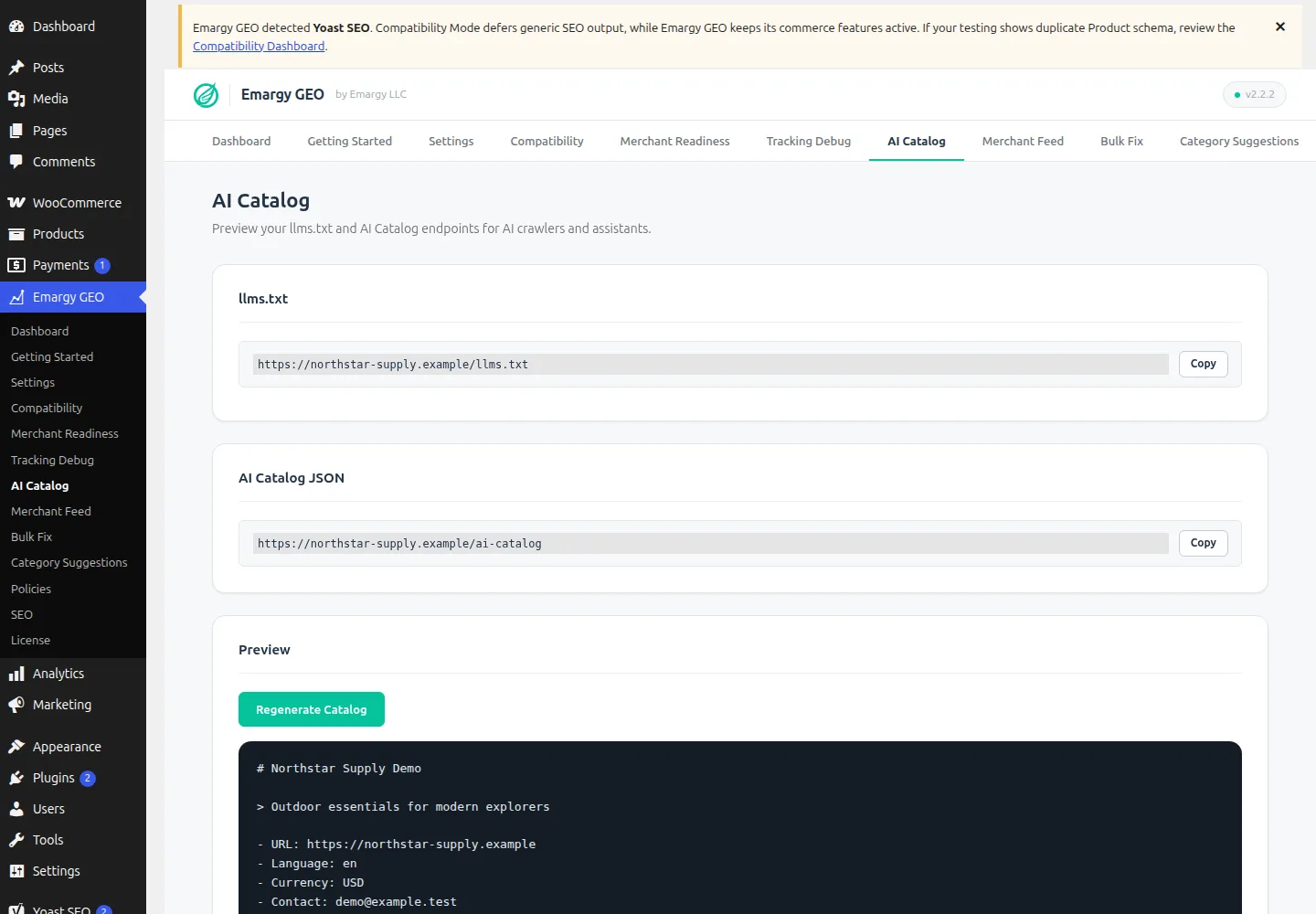
Some external systems may use it, so it can be maintained when appropriate. Google Search does not require or use llms.txt for its Search features, and the file does not positively or negatively affect Google visibility.
Paid acquisition can be part of an agreed growth scope when it supports a defined objective and measurement setup. We choose the channel after the goal.
It depends on the technical state, competition, existing authority, content, crawl and indexing behavior, and market. We evaluate changes over appropriate periods rather than promise one universal timeframe.
We look separately at discovery, traffic, behavior, actions, and business outcomes. We report an outcome only when reliable source data exists and keep attribution limits visible.
A useful first conversation
Share the site, current channels, search data, analytics, and the outcome that matters. We will identify what needs to be understood before deciding what should be increased.
We reply within one business day